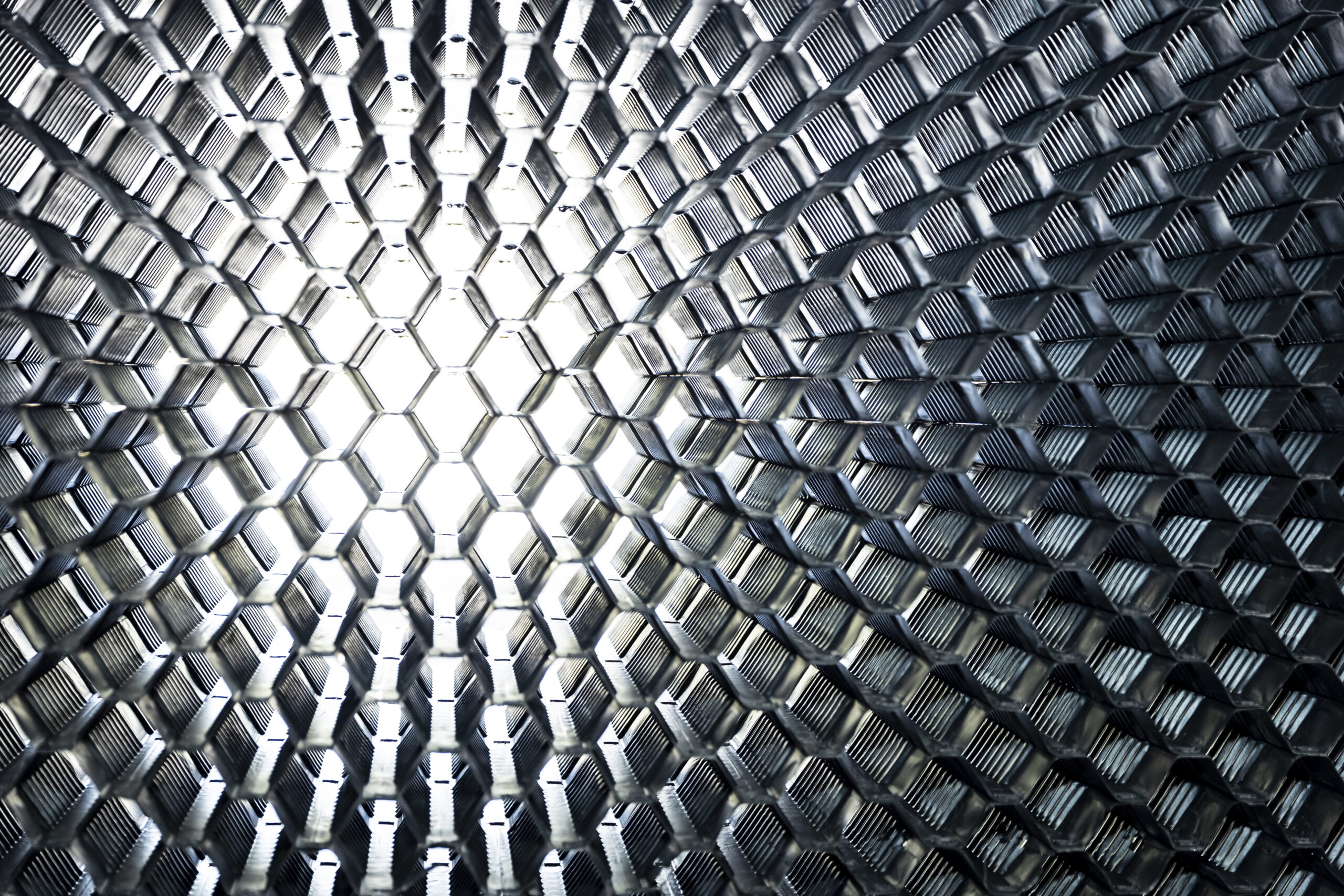
Marine grease trap for ship waste water systems
A marine grease trap is an important part of an onboard wastewater system. It helps separate grease, fat, and oil from galley wastewater before the water enters the wider treatment process.
On ships and offshore installations, wastewater systems are rarely simple. Galley drains, grey water, black water, vacuum systems, holding tanks, ventilation, and biological treatment units must all work together as one integrated system.
At G&O Bioreactors, we support naval architects, shipyards and shipowners with marine wastewater solutions designed for real vessel integration — including grease trap integration, process dimensioning, service access and biological wastewater treatment.
What is a marine grease trap?
A marine grease trap is a component used to remove grease and oily from wastewater generated in the galley or kitchen areas onboard a vessel.
Before galley wastewater reaches the main wastewater treatment system, grease and oil should be separated to reduce the risk of:
- blocked pipes
- reduced treatment efficiency
- operational disturbances
- increased maintenance
- odour issues
- unnecessary strain on the biological treatment process
- Excessive organic overloading of the sewage treatment plant.
Grease and oil can affect both piping systems and biological wastewater treatment performance. Correct grease trap integration helps protect the complete wastewater system and supports stable long-term operation.
Why grease traps matter in marine wastewater treatment
Marine wastewater treatment is not only about the treatment unit itself. The surrounding system design is equally important.
A grease trap must be considered together with:
- galley drain layout
- vacuum systems
- grey water and black water flows
- tank interconnections
- ventilation of tanks
- service and maintenance access
- vessel layout and available space
- class and owner requirements
If these elements are not addressed early, the result can be late-stage changes, additional engineering hours, rerouting of pipes or reduced accessibility for maintenance.
For naval architects, yards and owners, early clarification helps reduce design risk and supports a more efficient project process.
Marine grease trap integration should start early
In ship design projects, wastewater treatment is often addressed too late. When this happens, the consequences can be significant.
Typical challenges include:
- space conflicts
- Inappropriate installation location
- piping clashes
- insufficient maintenance access
- unclear system interfaces
- late redesign during detailed engineering
- higher installation costs
- approval and compliance challenges
A marine grease trap may appear to be a small component, but its placement and integration can affect the entire wastewater system. That is why G&O Bioreactors encourages early dialogue in the design phase. By involving wastewater specialists early, naval architects can identify potential problem areas before the design is frozen.
Supporting naval architects with wastewater system design
G&O Bioreactors supports naval architects and design houses with technical input for complete marine wastewater systems — not only individual components.
Our support includes:
- integration of marine grease traps
- integration with vacuum collection systems
- wastewater process dimensioning
- grey water and black water system considerations
- tank connections and ventilation
- service and maintenance access requirements
- identification of potential layout issues
- standardised 3D models for design integration
- support for retrofit and newbuilding projects
This helps ensure that the wastewater system fits the vessel — not the other way around.
Marine grease trap as part of the complete wastewater system
A marine grease trap should not be viewed as an isolated component. It is part of a complete onboard wastewater system where each element affects the next. Correct integration can help protect the biological treatment process, reduce maintenance requirements, and prevent operational issues before they occur. At G&O Bioreactors, we help customers design the full system — from grease trap integration and tank connections to biological treatment and service access.
FAQ – Frequently asked questions about grease traps
A marine grease trap is a component used to separate grease, fat and oil from galley wastewater onboard ships and offshore installations before the water enters the wider wastewater treatment system.
A grease trap helps protect pipes, tanks and treatment systems from grease build-up. It also supports more stable biological wastewater treatment by reducing unwanted grease and oil entering the process.
A marine grease trap is typically installed in connection with galley wastewater systems before the water is led further into the vessel’s wastewater treatment system.
Yes. Correct grease trap integration can support the performance of a biological wastewater treatment system by removing grease and oil before treatment.
Yes. G&O Bioreactors supports naval architects, shipyards and owners with grease trap integration, wastewater process dimensioning, 3D models, tank interconnections, service access and complete marine wastewater system design.
Early design involvement reduces the risk of space conflicts, piping changes, approval issues and late-stage redesign. Wastewater systems interact with many other ship systems, so they should be considered early in the design process.
Talk to G&O Bioreactors early in your design phase
Designing the right wastewater system starts before the final layout is fixed.
Whether you are working on a newbuilding, retrofit or specification update, G&O Bioreactors can support your project with technical input, design sparring and marine wastewater treatment expertise.