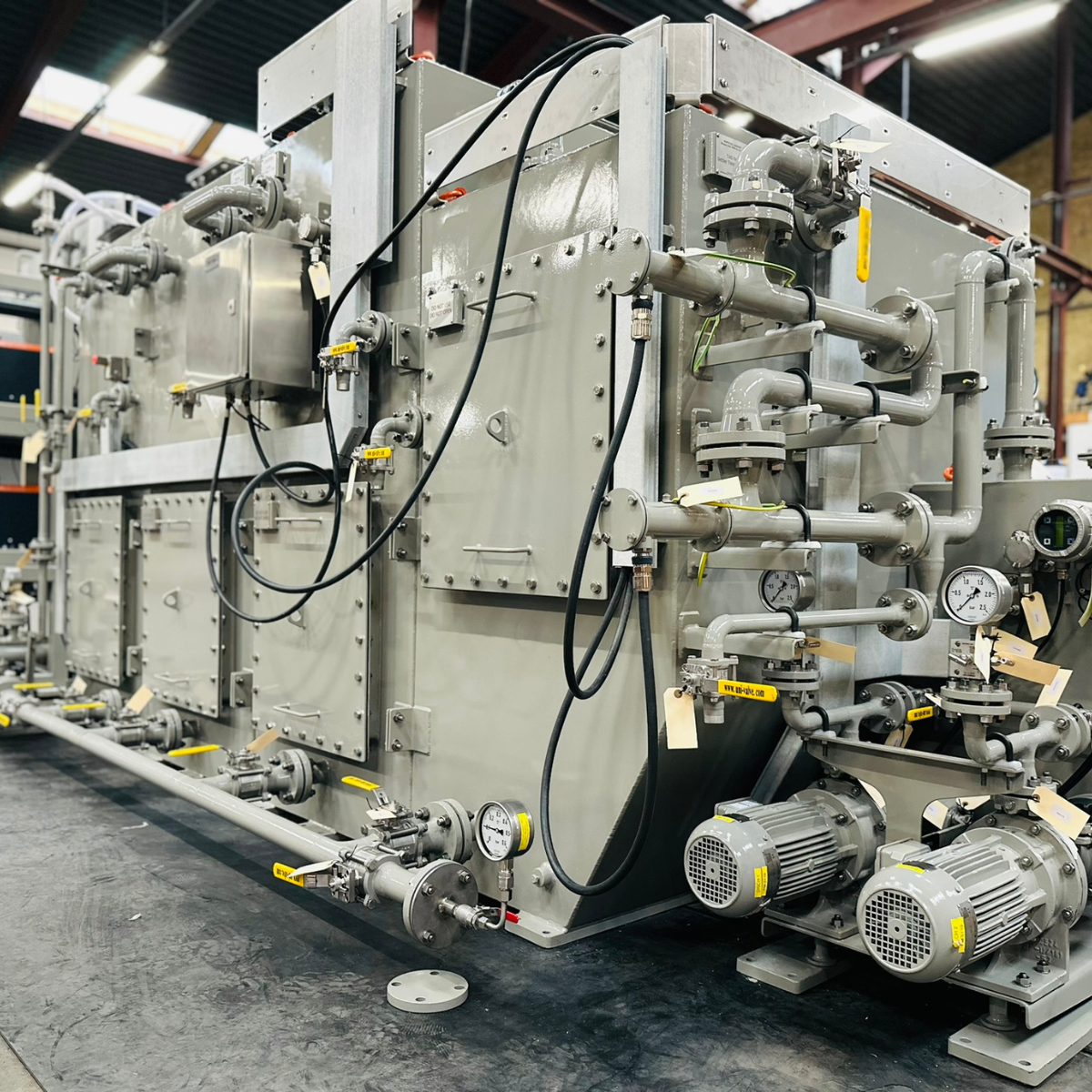
Marine Wastewater Treatment Systems
Marine wastewater treatment systems are essential for ensuring IMO compliance, protecting marine ecosystems, and supporting sustainable vessel operations. This guide explains how marine wastewater treatment works, the difference between biological and chemical treatment methods, and why modern bioreactor technology is becoming the preferred solution for ships and offshore installations worldwide.
Introduction
Modern ships generate large volumes of sewage (blackwater) and greywater that cannot be stored indefinitely onboard. Under MARPOL Annex IV and related regulations, the discharge of raw sewage into the sea is tightly controlled. Treated sewage may only be discharged ≥ 3 nautical miles from land, while untreated sewage must be discharged ≥ 12 nautical miles away and at a controlled rate. Ships therefore need reliable marine wastewater treatment systems—often called sewage treatment plants (STPs)—that collect, treat and disinfect waste before overboard discharge. Failure to comply can result in heavy fines, reputational damage and environmental harm.
This guide explains why marine wastewater treatment is essential, how treatment systems work, the different system types, and why biological bioreactors—such as the G&O conventional and advanced systems—offer a sustainable, IMO‑compliant solution.
What Is a Marine Wastewater Treatment System?
A marine wastewater treatment system (or STP) is designed to treat wastewater generated aboard ships and offshore installations before discharge. Waste streams include:
- Blackwater (sewage): waste from toilets and medical facilities with a high organic load.
- Greywater: wastewater from showers, sinks, laundry and galleys.
- Galley water: kitchen wastewater containing fats and food residues (high fat content).
- Sludge: organic solids removed during treatment.
Because blackwater contains pathogens and infectious materials, international law prohibits untreated discharge within 12 nm of land. Greywater is cleaner but still contains soaps, oils and food particles that can harm marine ecosystems. Each type requires appropriate treatment or retention.
Why Ships Need Wastewater Treatment Systems
Marine wastewater treatment isn’t optional—it’s mandated by international law and essential for responsible operations. Key reasons include:
- Regulatory compliance: MARPOL Annex IV applies to ships ≥ 400 gross tonnage or those carrying ≥ 15 persons and requires either an approved treatment plant, comminuting/disinfecting system or holding tank. Untreated sewage discharge is prohibited unless the vessel is >12 nm offshore and underway. Special areas (e.g., the Baltic Sea) require treatment plants that also remove nitrogen and phosphorus.
- Environmental protection: Raw sewage depletes oxygen and introduces pathogens, nutrients and chemicals, causing visible pollution and harming marine life. Biological treatment reduces chemical use and cuts operational risk.
- Crew health & safety: Proper treatment prevents disease transmission and improves onboard hygiene.
- Avoiding fines and downtime: Port State Control inspections can detain non‑compliant ships. Certified STPs allow vessels to discharge treated effluent closer to shore and in special areas, reducing port‑call delays.
- Sustainability goals: Treating wastewater supports ESG objectives and safeguards the marine environment for future generations. Biological systems minimise sludge and chemical consumption.
How Marine Wastewater Treatment Works
Modern marine treatment plants typically follow a multi‑stage process to turn raw sewage into safe effluent:
- Collection & Pre‑treatment – Sewage and greywater are collected via a vacuum or gravity system. Vacuum systems use jet pumps and valves to transport waste efficiently through small‑diameter pipes. Screens and comminutors remove large solids and grind remaining debris.
- Biological Treatment (Aeration/Bioreactor) – In the aeration chamber, aerobic bacteria growing on biofilm media or suspended sludge break down organic matter. Fresh air supplied by blowers maintains oxygen levels; extended aeration (18–24 hours) promotes thorough digestion and reduces sludge build‑up.
- Filtration & Clarification – The mixture flows to a sedimentation tank where solids settle and are recirculated to the biofilter. Activated carbon filters remove chemical oxygen demand and suspended solids. Membrane bioreactor (MBR) systems add ultrafiltration membranes to physically block bacteria, microplastics and fine particulates.
- Disinfection – Final disinfection ensures effluent meets microbiological standards. Options include chlorination (tablet or injection) or ultraviolet (UV) radiation, which provides chemical‑free sterilisation but requires more complex equipment.
- Discharge or Reuse – Treated water is stored in a clean tank and discharged overboard when permitted. Advanced MBR systems can produce high‑quality effluent suitable for reuse, reducing freshwater consumption.
Biological vs. Chemical Treatment
Biological systems use natural microorganisms to digest organic contaminants in wastewater. Aerobic treatment produces significantly fewer harmful by‑products than anaerobic digestion; anaerobic bacteria release toxic gases such as hydrogen sulfide and methane. Benefits of biological treatment include:
- Low chemical usage: Minimal or no chemical dosing, reducing handling and storage risks.
- Low sludge production: Extended aeration and efficient biological processes minimise sludge volumes.
- High reliability: Biological systems cope with varying load conditions and produce consistent effluent.
- Sustainable operations: Reduced chemical usage and energy demand improve lifecycle cost and environmental footprint.
Chemical disinfection (e.g., sodium hypochlorite) can kill pathogens effectively but introduces hazards. Incorrect dosing may form toxic by‑products and residual chlorine that can harm marine life. Chemical plants also require consumables and more maintenance. For these reasons, biological treatment combined with physical filtration (UV or membranes) is becoming the preferred approach.
Types of Marine Wastewater Treatment Systems
Marine STPs can be categorised by their treatment methods and complexity:
| System Type | Key Features | Pros | Cons |
| Conventional Biological STP | Uses aeration/biofilm reactors and sedimentation tanks with optional chlorination. | Simple, proven; low chemical use; relatively compact. | Effluent quality depends on biomass health; may require chlorine or UV disinfection. |
| Membrane Bioreactor (MBR) | Combines biological treatment with ultrafiltration membranes that remove bacteria, viruses, suspended solids and microplastics. | Produces high‑quality effluent meeting stringent special‑area standards (phosphorus/nitrogen removal); compact footprint; suitable for reuse. | Higher capital cost; membranes need periodic cleaning and replacement. |
| Moving Bed Biofilm Reactor (MBBR) | Uses free‑floating plastic carriers for biofilm growth, providing high surface area for bacteria. Often paired with filtration units. | Robust operation; handles load fluctuations; smaller sludge volumes. | Still needs disinfection stage; effluent quality depends on carrier management. |
| Chemical/Physical Systems | Rely primarily on chemical coagulation and disinfection, sometimes with media filtration. | Lower biological complexity; quick setup. | Requires consumables; produces chemical residuals; less sustainable. |
Modern vessels increasingly favour biological and membrane systems because they offer reliable compliance with MARPOL Annex IV and special‑area standards without heavy chemical use.
What Makes an IMO‑Compliant System?
To achieve compliance, a marine wastewater treatment system must:
Reliability and safety: Systems should operate automatically with minimal manual intervention, provide alarms, and ensure safe handling of effluent and sludge.
Meet MARPOL Annex IV standards—provide an approved treatment plant or comminuting/disinfecting system or hold wastewater until discharge.
Provide certification: The system must be type‑approved by a recognised classification society and carry an International Sewage Pollution Prevention Certificate.
Control discharge: Treated sewage may be discharged ≥ 3 nm from shore; untreated effluent must be ≥ 12 nm and discharged at an approved rate.
Special‑area capability: For passenger ships operating in designated special areas, the plant must remove nutrients (nitrogen and phosphorus).
Challenges of Wastewater Treatment at Sea
Designing and operating STPs at sea presents unique challenges:
- Space & Weight Constraints: Ships have limited footprint and headroom. Equipment must be compact and often modular.
- Retrofit Complexity: Installing systems on existing vessels may require on‑site assembly and custom split units.
- Vibration & Motion: Systems must withstand vessel movements; advanced bioreactors like G&O’s offer approval for operation at 30° inclination.
- Variable Loads: Crew numbers and wastewater volumes vary; biological systems must handle fluctuating loads without process upset.
- Maintenance Access: Crew should access all components for inspection and servicing; designs that eliminate filters/membranes reduce maintenance.
- Energy Use: Remote or offshore installations require low‑energy systems; biological treatment typically uses less energy than chemical alternatives.
G&O Bioreactors – A Smarter Biological Solution
G&O Bioreactors provide IMO‑compliant wastewater treatment without dilution or consumables. Key features include:
- Fully biological process: Wastewater passes through several chambers where naturally occurring bacteria convert sewage to CO₂ and water. No chemicals are used during normal treatment.
- UV or membrane disinfection: Conventional systems use UV to kill remaining bacteria, including E.coli. Advanced systems combine biological treatment with ultrafiltration membranes to remove E.coli, phosphorus, nitrogen and microplastics, meeting MEPC 227(64) special‑area standards.
- No filters or dilution: Systems treat both black and grey water without dilution, resulting in lower volumes of sludge and no consumables.
- Proven compliance: More than 1 000 G&O systems are operating globally. They meet IMO requirements and provide operational flexibility and sustainability.
- Easy installation & retrofit: Units can be custom‑built and installed in tight spaces. Retrofit solutions and tailor‑made split units minimize hull modifications.
- Design options: Available in coated steel or stainless steel; work with gravity or vacuum systems; include optional grease separation, sludge dewatering and vacuum collection.
- Low maintenance & energy: Systems feature minimal maintenance requirements, built‑in clean and inlet tanks, high‑quality European components and low power consumption.
- Scalability: Advanced models range from small units for yachts to large systems for cruise ships and offshore platforms, with hydraulic capacities up to hundreds of cubic metres per day.
Marine Application Scenarios
Marine wastewater treatment systems are used across diverse vessel types and offshore installations:
Offshore platforms and FPSOs require systems that can handle load variability, intermittent operation, and space restrictions. The MBR’s high MLSS tolerance and compact modularity make it well suited for such conditions, while ensuring compliance with IMO and regional effluent standards.
Cruise ships and ferries operate under strict discharge controls in coastal zones. MBR systems consistently deliver superior TSS and coliform removal without chemical handling. This reduces crew workload, simplifies operation, and enhances compliance assurance.
Military and defence vessels impose strict design criteria around reliability, noise levels, and footprint. G&O’s membrane bioreactor systems address these needs by offering:
- Silent operation and low vibration design
- High redundancy through modular layout
- Compatibility with varied operational profiles, from continuous deployment to lay-up
Membrane modules can be serviced individually, and the system can be fully integrated into platform-wide monitoring systems using standard marine protocols.
Retrofit scenarios often involve complex spatial constraints, legacy piping, and integration with existing vessel infrastructure. G&O’s modular membrane bioreactor systems are engineered for minimal disruption during installation. The system’s compact footprint, combined with custom layout flexibility, allows for efficient deployment within existing compartments.
Frequently Asked Questions (FAQs)
What’s the difference between blackwater and greywater?
Blackwater comes from toilets and contains high levels of pathogens, so it requires more intensive treatment and may only be discharged untreated beyond 12 nm. Greywater originates from showers, sinks, laundries and kitchens; while cleaner, it still contains chemicals, fats, and solids that can damage marine ecosystems.
Why is biological treatment preferred?
Biological systems use aerobic bacteria to break down sewage naturally. They produce fewer harmful by‑products than anaerobic processes and minimise chemical consumption. Extended aeration reduces sludge volumes, saving space and handling costs.
What regulations apply to marine sewage discharge?
MARPOL Annex IV prohibits discharge of raw sewage except under strict conditions. Treated effluent may be discharged more than 3 nm from land; untreated sewage must be > 12 nm away and discharged at an approved rate. Passenger ships operating in special areas must use plants that remove nitrogen and phosphorus.
How does a membrane bioreactor (MBR) work?
An MBR combines biological treatment with ultrafiltration membranes. Wastewater is first treated biologically; then it passes through a membrane that filters out bacteria, viruses, suspended solids and microplastics. Advanced systems also remove nutrients and meet the strictest special‑area standards.
Is a holding tank sufficient?
Holding tanks are allowed but only as temporary storage; they require pump‑out at port reception facilities and impose distance limitations. For vessels operating in sensitive areas or without frequent port calls, certified treatment plants provide greater flexibility and compliance.
Conclusion
The ocean is not a sewer. International law, environmental stewardship and operational efficiency all demand that ships and offshore installations manage wastewater responsibly. By understanding the regulations and adopting certified biological treatment systems—especially advanced membrane bioreactors—shipowners can protect the marine environment, safeguard crew health, avoid penalties and achieve sustainability goals. With over 1 000 installations worldwide, G&O Bioreactors demonstrate that fully biological systems deliver reliable performance, low operating costs and superior environmental protection.